Artic Research
Public Satisfaction Analysis toward District-Level Public Services in Semarang City
Scroll Down
Creating a Data-Driven Public Service Evaluation with BRIDA Semarang
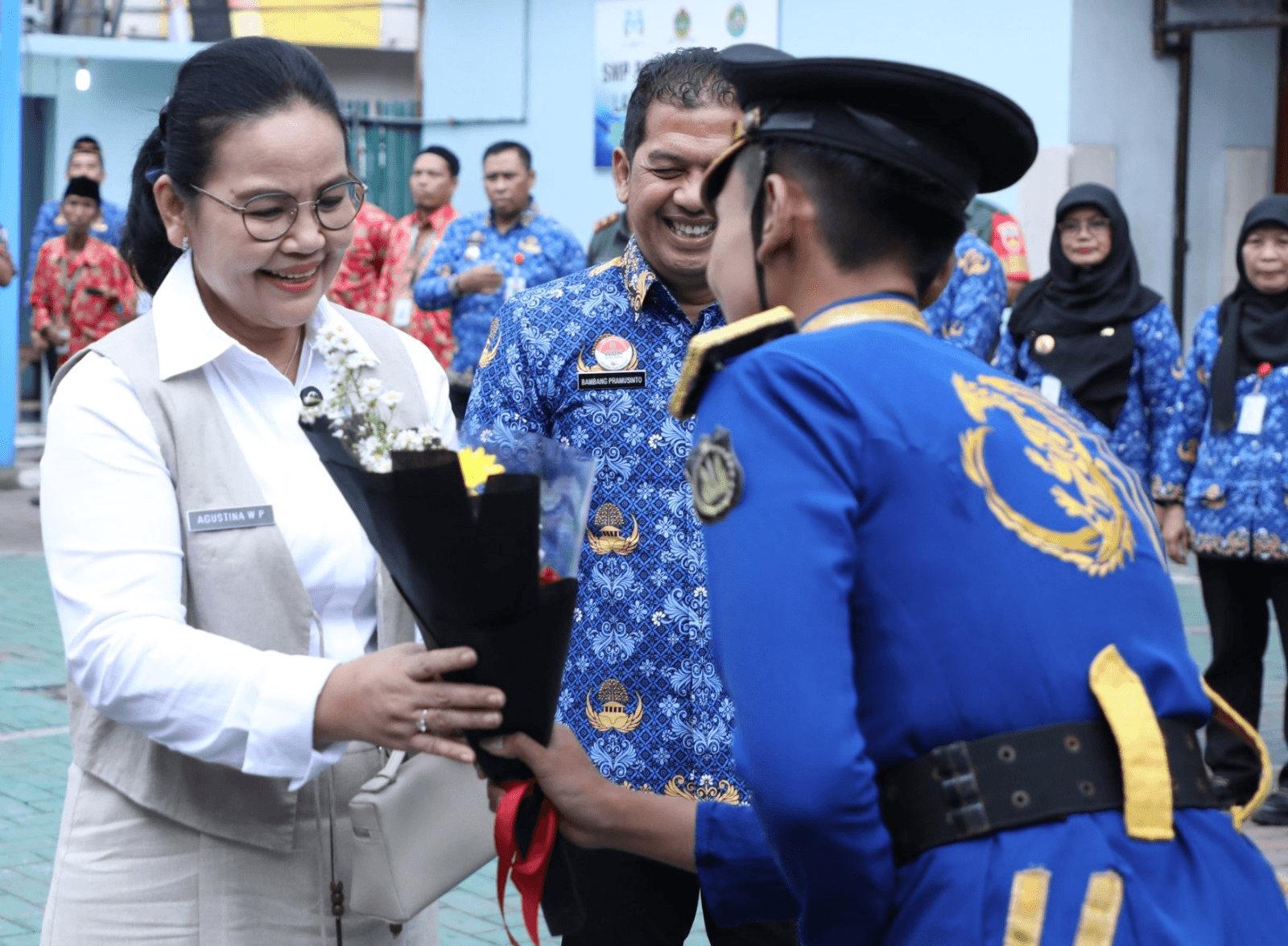
Every year, the Government of Semarang strives to improve public service quality across districts and sub-districts. However, without a structured and reliable measurement system, understanding how citizens truly perceive these services remained a challenge. BRIDA Semarang required more than a standard satisfaction survey — they needed a comprehensive, data-driven evaluation framework that could measure performance, identify gaps, and guide policy decisions across 16 districts and 177 sub-districts.
BRIDA Semarang City
Drs. Yuwanto, M.Si, P.hD.
Ayunina Zenti, S.P., M.Sc.
Arof Fuddin, S. Pd.
M. Noorman Perdana, S.Si.
Jonathan Benjamin S, S.IP.
Sofyan Setiawan, S.P., M.Sc.
Arifka Sitepu - Data Analyst
Fahmi Kurniawan - Data Analyst
Intan Nur Fadilah, S.P.
Chrisfilia Evelyn Br Damanik - Data Analyst
Arya Permana Salaka - Enumerator
Daniel Sandi Nugroho - Enumerator
Milah Hidayati - Enumerator
Swastika Ayuna Rahma - Enumerator
Izzul Muna - Enumerator
Ponco Adi Nugroho - Enumerator
Muhammad Yazid Duniam - Enumerator
Ahmad Rifan - Enumerator
Elysa Agustina Hardiyanti - Enumerator
Survey, Data Analysis, Policy Insight
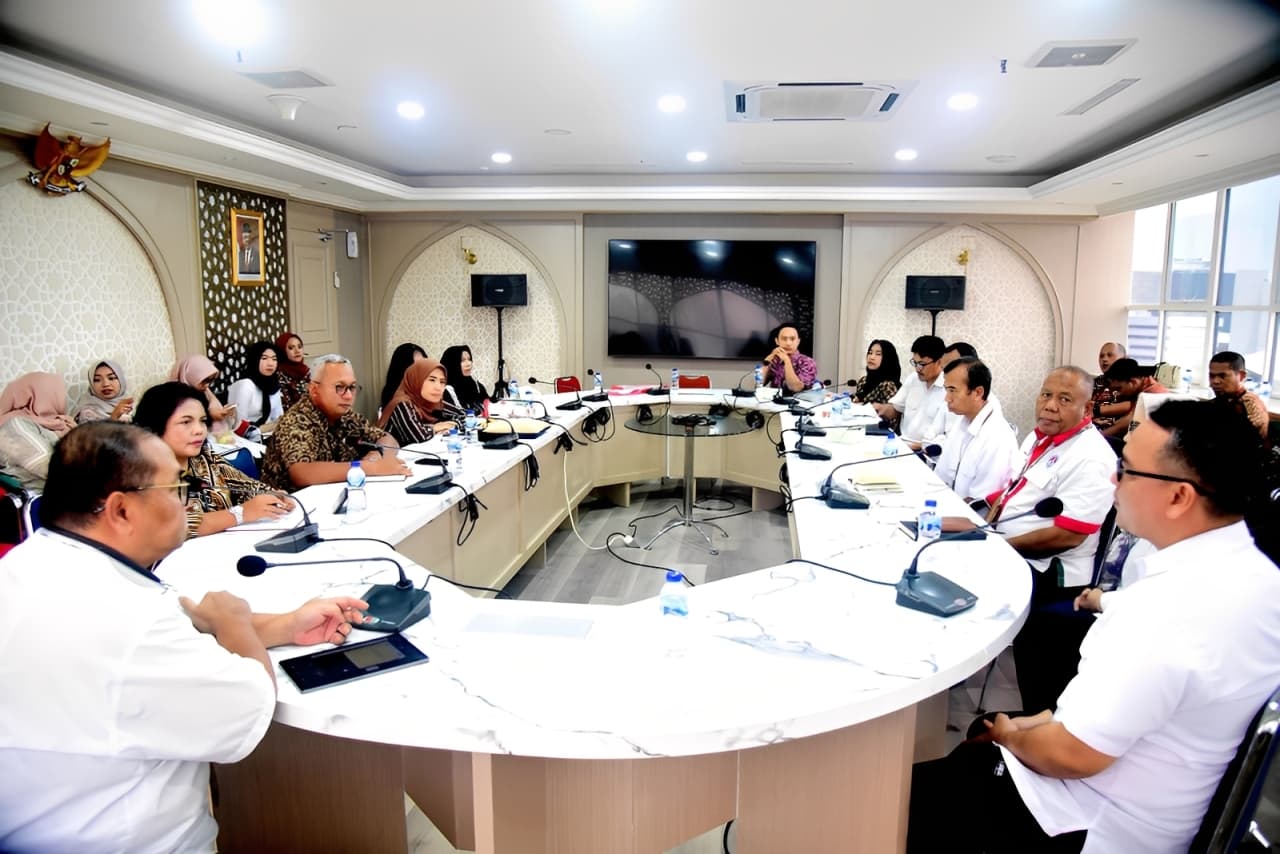
Evaluating Public Service Performance at Scale
Wide Coverage & Diverse Population
Capturing citizen feedback across 16 districts and 177 sub-districts required a structured sampling method to ensure representativeness across demographics and service experiences.
Multi-Dimensional Service Evaluation
Public service quality needed to be measured across multiple dimensions, including reliability, responsiveness, assurance, empathy, and tangible aspects — all with different expectations.
From Data to Policy Action
Transforming large-scale survey data into clear, actionable recommendations for government stakeholders was critical to ensure real impact.
A Structured, Data-Driven Evaluation Framework
Instead of applying a generic survey, we designed a comprehensive evaluation system combining quantitative and qualitative approaches to generate meaningful insights.
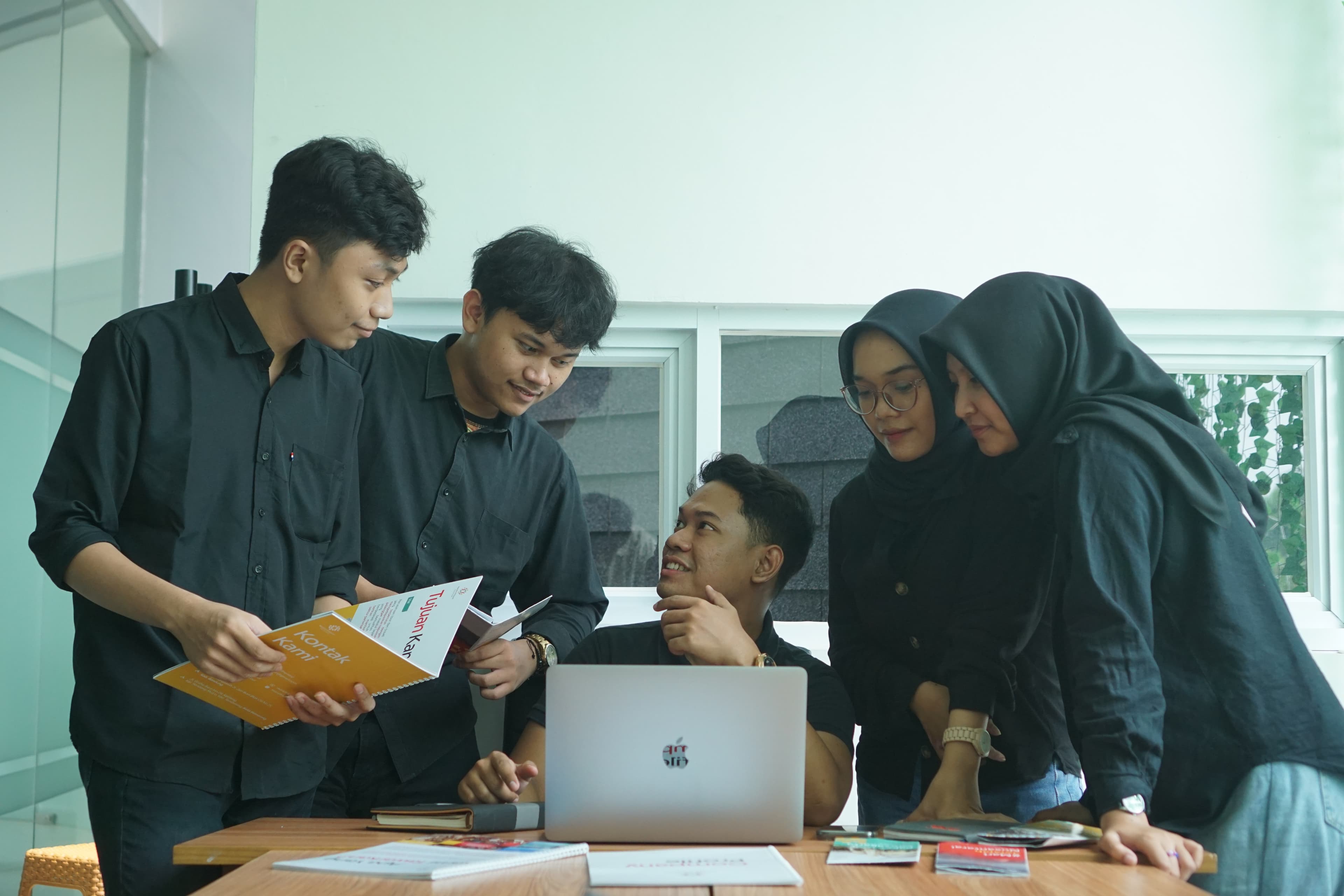
We collaborated with BRIDA to define research objectives aligned with public service performance indicators and policy priorities.

Survey conducted across 16 districts & 177 sub-districts using structured questionnaires (IKM standard) with field validation.

We applied the IKM framework and SERVQUAL analysis to measure gaps between citizen expectations and actual service perception.

Complex data was translated into clear performance scores, gap analysis, and strategic recommendations for policy improvement.
Key Insights from Public Service Evaluation
From the analytics and field survey, here's what we found regarding public service performance across Semarang's districts and sub-districts:
Strength
Areas that consistently delivered high satisfaction.
- High overall satisfaction (IKM: 88.64 – Very Good)
- Positive perception of government staff professionalism
- Strong foundation of public trust toward service institutions
Weakness
Critical gaps identified in service delivery.
- Service quality not yet fully consistent across regions
- Gap between citizen expectations and actual service outcomes
- Responsiveness and service experience still need improvement
Opportunities
High-impact areas for improvement.
- Standardization of service quality across districts
- Strengthening citizen-centered service design
- Data-driven policy monitoring and evaluation systems
Threats
Risks that may affect long-term performance.
- Variability of service quality between districts
- Increasing public expectations toward government services
- Limited capacity to sustain continuous improvement without structured evaluation
Measurable Impact on Public Service Evaluation
For the first time, Semarang now has a comprehensive baseline of public service performance, a data-driven understanding of citizen satisfaction, and clear direction for policy improvement and service standardization.


Ayunina Zenti, S.P., M.Sc.
Research Lead

Drs. Yuwanto, M.Si, P.hD.
Lead Researcher
"When we connected citizen perception with performance data, the pattern became clear: quality and consistency are the true drivers of public trust."


Public service performance is already strong — but consistency and quality standardization are the key to sustaining public trust.
Download PDF →See Other Works

Public Satisfaction Analysis toward District-Level Public Services in Semarang City